VOLVO 30795302 Turn Yaw Rate Sensor Anti Skid Module
fits model: Xc90. make: Volvo. year: 2007–2014.
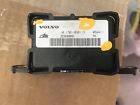
( Manufacturer Part Number: 30795302 ), ( Part Type: Turn Sensor Skid Module ), ( Warranty: 30 Days )
Review VOLVO Turn Yaw Rate Sensor Anti Skid Module fits XC90 2007–2014
The 30795302 Volvo XC90 Turn Yaw Rate Sensor Anti-Skid Module is a critical component of your vehicle's dynamic stability and traction control system. This sensor is responsible for measuring the rate at which your XC90 turns, providing vital data to the anti-skid system. This information is crucial in maintaining vehicle stability and preventing skidding, especially during adverse driving conditions such as slippery roads or tight turns.
The sensor is designed to work seamlessly with the Volvo XC90's advanced stability control system, which helps to manage the distribution of power between the wheels to maintain optimal traction and prevent loss of control. By constantly monitoring the vehicle's yaw rate, the anti-skid module can make real-time adjustments to the braking and throttle systems, ensuring a smoother and safer driving experience.
The 30795302 Volvo XC90 Turn Yaw Rate Sensor Anti-Skid Module is a high-quality replacement part, engineered to fit perfectly into your vehicle and work as efficiently as the original. It is made from durable materials and is designed to withstand the rigors of regular use, ensuring reliable performance for thousands of miles.
Installing the 30795302 Volvo XC90 Turn Yaw Rate Sensor Anti-Skid Module is a straightforward process, and can typically be completed by a competent DIY mechanic. However, if you're not confident in your own abilities, we recommend taking your vehicle to a qualified auto repair shop.
In conclusion, the 30795302 Volvo XC90 Turn Yaw Rate Sensor Anti-Skid Module is an essential component of your vehicle's safety system. By constantly monitoring your vehicle's yaw rate and making real-time adjustments to the anti-skid system, it helps to maintain stability, prevent skidding, and ensure a safer driving experience. Whether you're a DIY mechanic or taking your vehicle to a professional shop, this replacement part is a smart investment in the safety and reliability of your Volvo XC90.
Pros of buying a 2007-2014 Volvo XC90 with a replaced yaw rate sensor and anti-skid module:1. Safety: The yaw rate sensor and anti-skid module are crucial components of the vehicle's stability and traction control systems. Replacing them can improve the vehicle's handling and prevent skidding on slippery surfaces, thereby enhancing safety.
2. Reliability: A replacement of these sensors can help in resolving any existing issues related to the vehicle's stability and traction control systems, thereby improving the overall reliability of the vehicle.
3. Peace of Mind: Replacing these components can give you peace of mind, knowing that your vehicle's safety systems are functioning properly.
Cons of buying a 2007-2014 Volvo XC90 with a replaced yaw rate sensor and anti-skid module:1. Cost: Replacing these components can be expensive, especially if the labor cost is factored in.
2. Quality of Replacement Parts: Depending on the source of the replacement parts, there may be concerns about their quality and durability.
3. Potential for Additional Repairs: Replacing these components may reveal other underlying issues that require additional repairs, leading to further costs.
Recommendation:Buying a 2007-2014 Volvo XC90 with a replaced yaw rate sensor and anti-skid module can improve the vehicle's safety, reliability, and overall performance. However, the high cost of replacement and potential for additional repairs should be carefully considered before making a purchase decision. If you are considering buying a used Volvo XC90 with these replacement parts, it would be advisable to inspect the vehicle thoroughly and have it inspected by a trusted mechanic to ensure that there are no other hidden issues. Additionally, it would be wise to research the source of the replacement parts and ensure that they are of good quality. Ultimately, the decision to buy a used Volvo XC90 with replacement parts should be based on a thorough assessment of the vehicle's condition and the associated costs.
Details:
part #: 30795302 prices
- $69.99-$115.00
specifications electvehic:
- for models: Xc90
- for makes: Volvo
- for years: 2007-2014
- mpn: 30795302
- part type: Turn Sensor Skid Module
- warranty: 30 Days
Shipping electvehic:
- type: Flat
- cost: $0.0
- handling: 2 days
Offer electvehic:
- best offer: false
- Started: February 26, 2018, 10:43 pm
- bids: 0
- Sold: 0
- quantity: 1
Returns electvehic:
- policy: no returns
General electvehic:
- in stock: Yes
- condition: Used
- cartruck > electric vehicle auto parts
Payments electvehic:
- PayPal
Ratings:
- great. a 02-05-18
- Fast shipping and delivery! 02-09-18
- No hassles. Would buy from this seller again. 02-08-18
- got it 01-26-18
- Excellent, arrived in time, as always. 02-16-18
Seller electvehic:
- zipcode: 92020
- city: El Cajon, California
Volvo 30795302 Is Similar To:
- 08696098 Volvo Oem Factory Rear Electronic Module Relay Fuse Box Warranty (38.4% similar) It does not solve a problem. Frowns on anything less than 5 stars. Attention to your concern is guaranteed. Return the item as sent. Purchase and help the fight to save our planet...(July 23rd, 2018)
- 101857410 Volvo Vnl Temperature Sensor (48.9% similar) Volvo vn temperature sensor for blower motor assembly M266CQ up sale is a used the on various semi truck model's. Please see photos. The part numbers are and or open...(January 11th, 2018)
- 20514900-03 Volvo Vnl Vmn Lcm Light Control Module Ecm Oem Free (40% similar) Part volvo vn MN LCM light control module ecm oem free shipping pictures of the actual item you'll receive. Volvo LCM light control module. Best price available. Please message me with any questions, comments, or concerns...(August 20th, 2018)
- 21399626 Volvo Low Water Sensor Truck Coolant Level (48.5% similar) Your satisfaction is our 1 priority. Only for members. Most items are shipped within the same day...(September 7th, 2018)
- 21465355 Volvo Vnl Cobra At Control Module (51.1% similar) Volvo vn cobra at control module M266HZ up for sale is a used the series semi truck. Please see photos. This module is made by cobra at the part numbers are and or in good working condition...(June 15th, 2018)
- 307999 Valeo New Parking Sensor Assistant Volvo Ii (51% similar) ...(February 1st, 2019)
- 32209357 Bosch New Genuine Parking Sensor Volvo (36.4% similar) ...(January 15th, 2019)
- 968975-1 Volvo Amp Vnl Brown Connector Wiring For Slcm Module (46% similar) The connector is made by part number. Wires are cut long enough typically 2 inches to allow splicing into the existing harness. The last photo shows which port it plugs into. The LCM module in last picture is shown for illustration only it not included. The LCM control module this connector plugs ...(December 12th, 2018)
- 968976-1 Volvo Amp Vnl White Connector Wiring For Slcm Module (47.8% similar) It is a 21-PIN connector 18 pins are used. Wires are cut long enough typically 2 inches to allow splicing into the existing harness. Volvo vn 21-PIN white connector w wiring for LCM module M266KF up sale is a used the dash control on various semi trucks. Please see photos. The LCM control module ...(December 12th, 2018)
- 21634017 21746206 20796744 20499340 20905373 Yourpartschoicet Oil Pan Pressure Sensor For Volvo Truck 886852595488 (25.3% similar) Any direct return of purchased items will not be processed. Replace parts number , fitment volvo D12 VED12 engine vn,vn,VHF package include: 1 x pressure sensor as pictured note please be very careful to check our photos, make sure the photos showed is same you wanted. Please compare the part number...(March 17th, 2020)
- Volvo 31419587 2017-2020 S90 Front Windshield Rain Sensor Oem (33.6% similar) 2018 volvo S90 t5 momentum 72K. All electronics items may need to be reprogrammed function, an electronic item not function without the proper programming...(September 18th, 2023)
