TOYOTA 89981-47463 Chassis Ecm Hybrid Electric Control Fu 591-10512
fits model: Prius. make: Toyota. year: 2017.
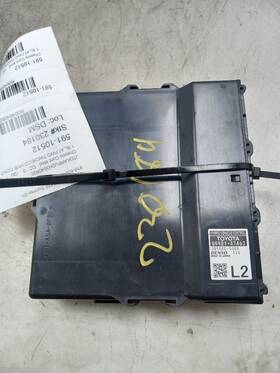
( Manufacturer Part Number: 89981-47463 ), ( Part Type: Ecm Control ), ( Conditions Options: At, Fwd, Two/eco, Hyb Cont, Chk Id ), ( Genuine Oem: Yes ), ( Ipn: 591-10512 ), ( Manufacturer Warranty: 6 Month )
Review TOYOTA Chassis Ecm Hybrid electric Control Vin Fu fits PRIUS 2017
Introducing the Toyota 89981-47463 Chassis ECU (Engine Control Unit), a vital component for the hybrid-electric system in select Prius models from the year 2017 onwards. This advanced ECU plays a significant role in managing and controlling various functions related to the vehicle's powertrain, ensuring optimal performance and fuel efficiency.
The 89981-47463 Chassis ECU is designed specifically for hybrid Prius vehicles, and it communicates with other control systems to ensure seamless integration of electric and gas power. The unit is responsible for monitoring and controlling the electric motor, hybrid battery, power split device, and other essential components.
Some of the critical functions of this ECU include:1. Power Management: The ECU intelligently manages the power flow between the hybrid system components, optimizing the use of electric and gas power based on driving conditions, battery charge level, and other factors.
2. Motor Control: The ECU manages the electric motor's operation, including acceleration and deceleration, regenerative braking, and battery charging during coasting and deceleration.
3. Battery Management: The ECU monitors the hybrid battery's state of charge, temperature, and overall health, ensuring proper charging and discharging to maximize battery life and performance.
4. Communications: The ECU communicates with other vehicle systems, including the power control unit (PCU), power split device (PSD), and hybrid battery, to coordinate the hybrid system's operation and optimize performance.
The Toyota 89981-47463 Chassis ECU is a sophisticated, high-performance component that plays a crucial role in the Prius's hybrid-electric powertrain. Replacing a faulty or malfunctioning ECU can improve vehicle performance, increase fuel efficiency, and extend the life of the hybrid battery.
When installing a new ECU, it's essential to follow proper installation procedures, including updating the vehicle's software and calibrating the system. It is recommended that the installation be performed by a qualified technician to ensure the vehicle's optimal performance and safety.
In summary, the Toyota 89981-47463 Chassis ECU is a vital component of the Prius's hybrid-electric powertrain, responsible for managing and controlling various functions related to the electric motor, battery, and power split device. By ensuring optimal performance and communication between these components, the ECU enhances the Prius's fuel efficiency and overall driving experience.
The Toyota Prius with the chassis ECM part number 89981-47463 is a hybrid-electric vehicle known for its fuel efficiency and eco-friendly features. Here are some pros and cons of buying this specific Prius model:
Pros:1. Fuel Efficiency: With its hybrid-electric system, this Prius model offers impressive fuel economy. It can return around 54 mpg in the city and 50 mpg on the highway, making it an excellent choice for those looking to save on fuel costs.
2. Low Emissions: As a hybrid-electric vehicle, the Prius produces fewer emissions than traditional gasoline-powered cars, making it an environmentally-friendly option.
3. Reliability: Toyota is known for its reliability, and the Prius is no exception. This model has a reputation for being a durable and long-lasting vehicle.
4. Low Maintenance Costs: Hybrid-electric vehicles generally have lower maintenance costs than gasoline-powered cars, as they have fewer moving parts and require less frequent oil changes.
5. Advanced Technology: The Prius comes with a range of advanced features, including a touchscreen infotainment system, a backup camera, and a driver assistance system.
Cons:1. Cost: The Prius can be more expensive to purchase upfront than a traditional gasoline-powered car. However, the fuel savings over time can offset the initial cost.
2. Limited Cargo Space: The Prius's unique battery and hybrid components take up some space in the trunk, resulting in limited cargo capacity compared to non-hybrid vehicles.
3. Limited Power: The Prius's hybrid powertrain may not provide the same level of acceleration and power as a traditional gasoline-powered car.
4. Complexity: The Prius's hybrid-electric system can be more complex than a traditional gasoline-powered engine, which may result in longer repair times and higher repair costs if issues arise.
In conclusion, the Toyota Prius with the chassis ECM part number 89981-47463 offers impressive fuel efficiency, low emissions, reliability, low maintenance costs, and advanced technology. However, it comes with a higher upfront cost, limited cargo space, and may not provide the same level of power as a traditional gasoline-powered car. Ultimately, if you're looking for a fuel-efficient, eco-friendly, and reliable vehicle, the Prius is an excellent choice. However, if you prioritize cargo space and power, you may want to consider other options.
Details:
Replace pilot bushing. Daytime phone number is required load will not deliver until appointment scheduled. Inspect and replace, if needed timing gears, chains, pensioner or belts gaskets. Install new water pump.
Clear all computer fault codes. Properly torque converter. Install new spark plugs wires. Flush inspect transmission cooling lines.
Someone over 18 must be present for delivery. Differentials Axle Assemblies. Drain gear lubes and fill to manufacturers specifications. Replace axle or drive shaft seal.
Add fluid to manufacturers suggested levels. Replace oil, air fuel filters Replace valve cover gaskets. Replace clutch. Replace flywheel.
Use manufacturer recommended Transmission fluid. Remove torque converter bracket. Replace Filter and Gaskets. Inspect adjust or replace shiftier linkages.
Replace all seals. Adjust throttle position sensor cable. Automatic Transmissions. Install new belts hoses.
Manual Transmissions. Load is curbside delivery ONLY. Drain replace engine oils to manufacturers suggested levels. Clean the oil sump screen pickup tube.
Replace oil pan gasket front/rear main seal. Replace throw out bearing. Flush cooling system and refill with antifreeze to appropriate level. Inspect replace, gaskets and seals if needed.
Replace thermostat gasket.
part #: 8998147463 prices
- $120.00-$179.99
specifications electvehic:
- for models: Prius
- for makes: Toyota
- for years: 2017
- mpn: 89981-47463
- part type: Ecm Control
- conditions options: At, Fwd, Two/eco, Hyb Cont, Chk Id
- genuine oem: Yes
- ipn: 591-10512
- manufacturer warranty: 6 Month
offer electvehic:
- best offers: True
- availability: In Stock
- sold: 0
- started: May 25, 2026
- options: Ship-to-home
- quantity: 1
payments electvehic:
- other
- wallet: Google-pay
- credit card: Discover
shipping electvehic:
- carrier: USPS
- cost: $0.00
- transit: 3-7 Days
- type: Fixed
- service: USPS Priority Mail
- class: Expedited
general electvehic:
- Car Truck Parts Accessories > Starters, Alternators, ECUs Wiring > ECUs Computer Modules
- condition: Used
returns electvehic:
- paid by: Seller
- time: 30 Days
- policy: Returns Accepted
seller electvehic:
- # reviews: 9644
- city: Rancho Cordova, California
- rating: 99.5%
Toyota 89981-47463 Is Similar To:
- 82641-71010 Toyota Prius Hybrid Relay Integration Module Oem (35% similar) This listing is for a used toyota prius hybrid relay integration module oem parts sold as. Free shipping is within the continental us. May have normal wear and tear - make sure part fits your vehicle before purchasing, thanks...(September 17th, 2018)
- 46900-0151 Unbranded 04-09 Toyota Prius (19.8% similar) ...(August 24th, 2017)
- 7g9h2125571 Toyota New Genuine Digital Speedometer Display Combo Cluster Prius (30% similar) Best value and product replacement on. It does not mean I'm ignoring you. Please be patient. Up for sale: 1 new genuine digital speedometer display combo cluster certain toyota prius model years part 7G9H2125571 these are replacement PCB clusters. It will not change or be reset. Not refurbished or ...(November 22nd, 2018)
- 8211147804 Toyota Oem Prius-engine Control Module (36.6% similar) This item retails for at the dealer. Please refer to photos. These are actual photos of the item. Tampering with item voids return. Part must be installed by a licensed mechanic...(February 26th, 2017)
- 827300r101 Driver Side Fuse Box Fits Toyota Rav Oem (15% similar) Q: what if I have a problem with an order. 1 year warranty hassle-free, satisfaction guaranteed. Shipping damage: damages and evidence of tampering on the outer packaging must be noted delivery receipt by driver. Please disregard other fitment charts, they may not be correct. Please compare part ...(October 18th, 2018)
- 8273042791 Driver Junction Block Fuse Box Cabin Fits Toyota Rav Oem (13.4% similar) 1 year warranty hassle-free, satisfaction guaranteed. Very happy customer, excellent value and service. Quality assured parts all are tested inspected. Please with any questions, comments or concerns. Easy to find parts that don't require a mechanics knowledge. Please compare part numbers before ...(November 17th, 2018)
- 85916-30060 Lexus Oem Toyota Light Control Relay Denso Volt (31.2% similar) Only one is available order now before its gone. They do not offer combined shipping. Toyota, Lexus light control relay off of a running vehicle. Free shipping...(June 18th, 2018)
- 85940-14080 Denso Toyota Supra Oem Wiper Control Module Box (35.5% similar) In working condition when removed, small part of clip is missing, should not effect function. It should also fit similar toyota supra made in 1987 , 1988 , 1989 , and probably others. Buyer pays all shipping charges...(January 6th, 2019)
- 88240-14131 Toyota Supra Oem Speed Control Module Box (37% similar) It should also fit similar toyota supra made in 1987 , 1988 , 1989 , and probably others. In working condition when removed. Buyer pays all shipping charges...(January 7th, 2019)
- 88650-47050 Denso Toyota Prius Heater (23.5% similar) Up for sale is a ac heater module removed from 2004 toyota prius, oem item, kept on shelf, part number 47050GOOD working condition...(January 6th, 2018)
- 89111-47030 Denso 2004 Toyota Prius (20.5% similar) Up for sale is a network gateway module removed from 2004 toyota prius, oem item, kept on shelf, part number...(January 20th, 2018)
