STANDARD IGNITION BSC99 Battery Volt Sensor SBC101
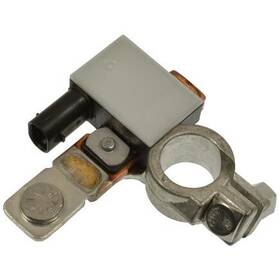
( Brand: Standard Ignition ), ( Manufacturer Part Number: BSC99 ), ( Part Type: Battery Sensor ), ( Ipn: Sbc101 ), ( Modified Item: No )
Review STANDARD IGNITION Battery Current Volt Sensor
The BSC99 Ignition Voltage Sensor is a crucial component in the electrical system of vehicles, designed to provide reliable and accurate voltage readings to the vehicle's engine control module (ECM). This sensor plays a vital role in ensuring the smooth operation of the ignition system by measuring the voltage present at the ignition switch when the key is in the "ON" or "ACC" position.
The BSC99 sensor is a robust and durable part, engineered with high-quality materials to withstand the harsh conditions of automotive environments. It features a compact design, allowing it to be easily installed in various vehicle makes and models. The sensor is connected to the ignition circuit via two wires, with one wire supplying power to the sensor and the other carrying the voltage signal back to the ECM.
The sensor's resistance value changes in response to the voltage input, providing a proportional output that is read by the ECM to determine the status of the ignition system. This information is used by the ECM to control various engine functions, such as fuel injection and ignition timing, ensuring optimal engine performance.
The BSC99 Ignition Voltage Sensor is designed to meet or exceed OEM specifications, ensuring precise and accurate voltage readings. It is also engineered to be long-lasting, with a high resistance to wear and tear, making it an ideal replacement option for worn-out or faulty sensors.
Installation of the BSC99 sensor is typically a straightforward process, with most vehicles requiring only a few simple steps to replace the old sensor with the new one. The sensor is usually located near the ignition switch, and the replacement process typically involves disconnecting the old sensor, connecting the new one, and adjusting any necessary settings in the ECM.
In summary, the BSC99 Ignition Voltage Sensor is a crucial component in the electrical system of vehicles, responsible for providing accurate voltage readings to the ECM. It is a robust and durable part, designed to meet or exceed OEM specifications and offer long-lasting performance. The sensor's compact design and straightforward installation process make it an ideal replacement option for worn-out or faulty sensors.
Buying a standard ignition BSC99 battery voltage sensor involves weighing the potential benefits against the possible drawbacks to determine if it's a worthwhile investment. Here are some pros and cons to consider:
Pros:1. Improved Engine Performance: A faulty battery voltage sensor can lead to poor engine performance, misfires, and even stalling. By replacing the sensor, you can ensure optimal engine performance and prevent potential damage.
2. Improved Fuel Efficiency: A malfunctioning battery voltage sensor can cause the engine to consume more fuel than necessary, leading to increased fuel costs. Replacing the sensor can help improve fuel efficiency and save you money in the long run.
3. Preventing Damage: A faulty battery voltage sensor can cause damage to other engine components, leading to costly repairs. By replacing the sensor promptly, you can prevent potential damage and save money on repairs.
4. Longer Battery Life: A battery voltage sensor helps monitor the battery's charge level and can prevent the battery from being overcharged or undercharged. Proper battery maintenance can help extend the life of the battery.
5. Reliable Starting: A battery voltage sensor ensures that the battery is providing the correct voltage to the starter motor, ensuring reliable starting every time.
Cons:1. Cost: Replacing a battery voltage sensor can be an expensive repair, especially if you choose to hire a professional mechanic. The cost of the sensor itself can range from $30 to $150, but labor costs can add significantly to the total cost.
2. DIY Installation Complexity: Installing a battery voltage sensor can be a complex process, especially for those without automotive experience. The process involves disconnecting the battery, locating the sensor, and connecting the new sensor to the wiring harness.
3. Potential for Error: When replacing a battery voltage sensor, there is a risk of installing it incorrectly, which could result in continued problems or even damage to the engine.
4. Part Availability: Depending on the make and model of your vehicle, finding a replacement battery voltage sensor may be challenging. You may need to order it online or visit multiple auto parts stores to find one that fits your specific vehicle.
In conclusion, replacing a faulty battery voltage sensor can offer several benefits, including improved engine performance, improved fuel efficiency, preventing damage, longer battery life, and reliable starting. However, the cost of the repair, the complexity of the installation process, the potential for error, and part availability are significant drawbacks. Ultimately, if you're experiencing issues with your battery voltage sensor, it's essential to weigh the benefits against the costs and consider your options carefully before making a decision. If you're not confident in your ability to install the sensor yourself, it may be worth hiring a professional mechanic to ensure the job is done correctly. Alternatively, you could consider purchasing a battery voltage sensor tester to diagnose the issue before deciding to replace the sensor.
Details:
Manufactured following strict OE Standards to work like the original component. Engineered using the latest technology to ensure product lasts longer in service. Designed specifically for trucks, trailers, and buses. Made of high-quality components for durability, reliability, and performance.
Engineered with a factory-like design for effortless installation, ensuring perfect match your vehicle. Standard Ignition BSC99 Battery Current / Volt Sensor: Part Number: Manufacturer.
part #: bsc99 prices
- $162.36-$177.97
specifications electvehic:
- brand: Standard Ignition
- mpn: Bsc99
- part type: Battery Sensor
- ipn: Sbc101
- modified item: No
offer electvehic:
- availability: In Stock
- started: March 1, 2025
- best offers: True
- options: Ship-to-home
- quantity: 5
- sold: 0
seller electvehic:
- city: Los Angeles, California
- rating: 96.7%
- # reviews: 49642
shipping electvehic:
- transit: 4-10 Days
- cost: $0.00
- type: Fixed
- service: Standard
- class: Standard
payments electvehic:
- credit card: Visa
- other
- wallet: Paypal
returns electvehic:
- time: 30 Days
- policy: Returns Accepted
- paid by: Buyer
general electvehic:
- condition: New
- Car Truck Parts Accessories > Electric, Hybrid PHEV Specific Parts > Other Electric, Hybrid PHEV Specific Parts
Standard Ignition BSC99 Is Similar To:
- Es37 Standard Motor Products Ignition Parts Idle Stop Solenoid (48.7% similar) Standard motor products inc...(November 20th, 2018)
- Tc436 Standard Ignition Trailer Connector 091769140793 (50.5% similar) 75WIRE QUANTITY5 trailer connector our connectors and accessories feature a robust design for installation confidence in every box. 75PART NUMBERTC436TERMINAL gender male female terminal QUANTITY6 6/4 terminal TYPEPINWEIGHT0. 5 our trailer connectors and accessories feature a robust design for ...(May 3rd, 2020)
- S-758 Standard Ignition Oxygen Sensor Connector 091769492144 (49.6% similar) 38 oxygen sensor CONNECTOR length 2. 44PART NUMBERS-758TERMINAL QUANTITY3TERMINAL TYPEPINWEIGHT0. 44WIRE QUANTITY3 oxygen sensor connector offering hundreds of high-quality pigtails sockets for nearly every electrical job. Connector QUANTITY1CONTENTSPIGTAIL ASSEMBLYDEPTH2...(June 7th, 2020)
- Standard Motor Products Sbc110 Battery Current Volt Sensor (72.1% similar) Battery current sensor. Extensively tested to OE specifications to ensure superior performance and long service life...(November 4th, 2022)
- Standard Bsc91 Battery Current Sensor (80% similar) Orders ship from 20 major metropolitan markets in the us. This may be an oem product. You are purchasing a battery current sensor made by Standard motor products. For example, BMW does not manufacture parts, they assemble parts from many manufacturers into a finished vehicle. Check the compatibility...(August 20th, 2023)
- Standard Bsc50 Battery Current Sensor Fits 2015 Ram Promaster City 2.4l-l4 (55.1% similar) ...(September 23rd, 2023)
- Standard Ignition Bsc106 Intermotor Battery Current Volt Sensor (86.4% similar) Designed specifically for trucks, trailers, and buses. Features a factory-like fit for hassle-free installation. Engineered using the latest technology to ensure product lasts longer in service. Manufactured following strict OE Standards to work like the original component. 2010 -2022 inc. : part ...(September 29th, 2023)
- Standard Ignition Bsc90 Battery Current Sensor Fits Motor Products (75.6% similar) Manufactured following strict OE Standards to work like the original component. Designed specifically for trucks, trailers, and buses. Engineered using the latest technology to ensure product lasts longer in service. 2010 -2022 inc. : part number: BSC90 manufacturer: Standard Ignition. Features a ...(November 3rd, 2023)
- Intermotor Bsc93 Standard Ignition Battery Current Volt Sensor (80.3% similar) Manufactured following strict OE Standards to work like the original component. Designed specifically for trucks, trailers, and buses. Engineered using the latest technology to ensure product lasts longer in service. Features a factory-like fit for hassle-free installation. 2010 -2022 inc. : part ...(November 11th, 2023)
- Standard Ignition Bsc15 Battery Current Volt Sensor (96.2% similar) Designed specifically for trucks, trailers, and buses. Made of high-quality components for durability, reliability, and performance. Engineered using the latest technology to ensure product lasts longer in service. Standard Ignition b 5 battery current / volt sensor: part number: manufacturer. ...(January 2nd, 2025)
- Carquest Raa2992 Premium For 14-17 Chevrolet Ss Standard Ignition Horn Relay (31% similar) It also comes with installation instructions if applicable to ensure a smooth and proper. The product is shipped in a durable, compact box with proper padding to ensure safe delivery. Labeling: the product is clearly labeled with the part number and manufacturer information for easy identification. ...(January 2nd, 2025)
