TOYOTA G920J-52010 Inverter Sensor
fits model: Prius. make: Toyota. year: 2010–2019.
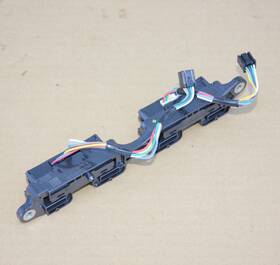
( Manufacturer Part Number: G920J-52010 ), ( Part Type: Inverter Sensor ), ( Performance Part: Yes )
Review TOYOTA G920j-5 Genuine Oem G920j5 Inverter Current Sensor fits PRIUS 2010–2019
The Toyota G920J-52010 Inverter Sensor is an essential component of the power conversion system in certain models of the Prius vehicle produced between 2010 and 2019. This sensor plays a significant role in ensuring the efficient and reliable operation of the hybrid powertrain.
This inverter sensor is a compact, electronic device that monitors the input and output currents of the vehicle's inverter. The inverter is responsible for converting the DC (direct current) electrical energy stored in the hybrid battery into AC (alternating current) energy that can be used to power the vehicle's electric motor. The sensor measures the current flow to and from the inverter, providing crucial data to the vehicle's power management system.
The Toyota G920J-52010 Inverter Sensor is designed with advanced technology to ensure high precision and accuracy in current measurements. It features a digital signal processing capability, which allows it to quickly and accurately analyze the current data and transmit it to the power management system. This real-time monitoring enables the power management system to optimize the power flow between the battery and the electric motor, improving overall vehicle performance and fuel efficiency.
The sensor is also designed to withstand the harsh conditions of automotive use. It is sealed against water and dust intrusion, ensuring reliable operation in various environments. The sensor housing is made from durable materials, providing protection against impact and vibration.
When the Toyota G920J-52010 Inverter Sensor fails, it can result in a variety of symptoms, including reduced vehicle performance, poor fuel economy, and the illumination of warning lights on the dashboard. Replacing the faulty sensor with a new one can help restore the vehicle to its optimal performance level.
Installing the Toyota G920J-52010 Inverter Sensor requires some technical knowledge and experience working on hybrid vehicles. It is recommended that the replacement be performed by a qualified technician to ensure proper installation and function. The sensor is typically located near the hybrid power control unit and can be accessed by removing various covers and components. Once the old sensor is removed, the new one can be installed in its place, and the vehicle's power management system will recognize and calibrate the new sensor.
In conclusion, the Toyota G920J-52010 Inverter Sensor is a vital component of the Prius hybrid powertrain, responsible for monitoring the current flow to and from the inverter. Its advanced digital signal processing capability ensures high precision and accuracy in current measurements, enabling the power management system to optimize power flow between the battery and the electric motor. Despite its complex design, the sensor is built to withstand the harsh conditions of automotive use, ensuring reliable operation in various environments. Replacing a faulty sensor with a new one can help restore the vehicle to its optimal performance level.
The Toyota Prius G920J-52010 Inverter Sensor is a crucial component of the Prius hybrid system, responsible for converting DC power from the battery to AC power for the electric motor. Replacing a faulty inverter sensor can improve the vehicle's performance and fuel economy. Here are some pros and cons to consider before purchasing this part:
Pros:1. Improved Fuel Economy: A faulty inverter sensor can cause the Prius to consume more fuel than necessary. Replacing the sensor can restore the vehicle's fuel efficiency to its optimal level.
2. Better Performance: A malfunctioning inverter sensor can lead to a rough idle, stalling, and other performance issues. Replacing the sensor can help the Prius run smoothly and efficiently.
3. Long-Term Savings: Although the initial cost of replacing the inverter sensor may seem high, the long-term savings in fuel costs and potential repair costs for more significant issues can make it a worthwhile investment.
4. Reliability: The Toyota Prius is known for its reliability, and the inverter sensor is a critical component that contributes to the vehicle's overall dependability.
Cons:1. Cost: The price of the Toyota Prius G920J-52010 Inverter Sensor can be relatively high, especially when compared to some aftermarket alternatives.
2. Installation Complexity: The inverter sensor is located in a hard-to-reach area under the dashboard, making the installation process somewhat complicated and time-consuming for those without mechanical expertise.
3. Availability: Depending on the specific model year and availability, it may take some time to source and receive the sensor.
Conclusion:The Toyota Prius G920J-52010 Inverter Sensor is an essential component for maintaining the optimal performance and fuel efficiency of your Prius. While the cost and installation complexity may be drawbacks, the long-term savings and reliability benefits make it a worthwhile investment. If you are experiencing issues with your Prius's fuel economy or performance, it is recommended to replace the inverter sensor as soon as possible.
Recommendation:If you are confident in your mechanical abilities or have access to a professional mechanic, it may be worth considering purchasing the Toyota Genuine Part Toyota Prius G920J-52010 Inverter Sensor for your vehicle. Alternatively, you could explore aftermarket options, but be aware that the potential for compatibility issues and varying quality may require additional research and caution. Ultimately, the decision to replace the inverter sensor depends on your priorities, budget, and the specific needs of your Prius.
Details:
Please be 100% sure this is the correct part for your vehicle. For sale is an used OEM part original equipment manufacturer that came stock with your car, it not aftermarket. Unless stated otherwise It may be a little dusty from storage use. 2010 2015 TOYOTA PRIUS.
part #: g920j52010 prices
- $22.50-$32.85
specifications electvehic:
- for models: Prius
- for makes: Toyota
- for years: 2010-2019
- mpn: G920j-52010
- part type: Inverter Sensor
- performance part: Yes
seller electvehic:
- city: Rancho Cordova, California
- rating: 92.8%
- # reviews: 1359
offer electvehic:
- options: Ship-to-home
- quantity: 1
- availability: In Stock
- started: June 12, 2025
- sold: 0
- best offers: True
shipping electvehic:
- cost: $10.00
- service: FedEx Ground Economy
- carrier: FedEx
- class: Economy
- transit: 4-11 Days
- type: Fixed
payments electvehic:
- credit card: Discover
- other
- wallet: Google-pay
- cash
returns electvehic:
- paid by: Buyer
- time: 30 Days
- policy: Returns Accepted
general electvehic:
- Car Truck Parts Accessories > Electric, Hybrid PHEV Specific Parts > Other Electric, Hybrid PHEV Specific Parts
- condition: Used
Toyota G920J-52010 Is Similar To:
- 82641-71010 Toyota Prius Hybrid Relay Integration Module Oem (25.7% similar) This listing is for a used toyota prius hybrid relay integration module oem parts sold as. Free shipping is within the continental us. May have normal wear and tear - make sure part fits your vehicle before purchasing, thanks...(September 17th, 2018)
- 010497 Toyota Lexus Rear View Mirror With Auto Dim Oem Light (25.9% similar) Parting out a 2005 LHS Lexus SC340. It does have the normal wear coming from a daily driver. Need something I didn't list. Let me know and i'll list it if have. Comes complete with items shown in the photos. View the photos and decide for yourself. Glass is in great shape, the lower side of mirror...(October 17th, 2018)
- 0567008160 39762-sg0-003 Oem Factory Part Relay Acura Honda Toyota (7.8% similar) I only ship items within the lower 48 states. Multiple quantity listed items may vary slightly in appearance condition. Verify part numbers and photos fit match before buying. No mod required. Buyer required to have correct address on file with. Photos show aspects of item, not quantity. Part ...(March 12th, 2018)
- 27060-0l022 Toyota Oem Hilux Alternator Alternater (27.7% similar) ...(April 3rd, 2018)
- 27370-45011 Toyota Land Cruiser Holder Assy Alternator Brush Corona Oem (19% similar) ...(November 29th, 2018)
- 2800-10020 Lexus Oem Toyota Starter Relay Denso Volt (25.9% similar) They do not offer combined shipping. Only one is available order now before its gone. Free shipping. Toyota, Lexus starter relay off of a running vehicle...(June 17th, 2018)
- 28300-16010 Denso Toyota Camry Previa Relay Starter Oem (26.8% similar) Toyota Camry prev relay starter dens oem remember all parts are used. Free shipping. Some parts may show minor blemishes,scratches or light wear. Toyota Camry prev relay starter dens oem...(April 4th, 2018)
- 2841300111 88162-0c021 Toyota Tundra Lh Rear Blind Spot Monitor Detector Sensor Module (27.7% similar) This is a used working blind spot sensor off an 2017 tundra...(June 22nd, 2018)
- 46900-0151 Unbranded 04-09 Toyota Prius (19% similar) ...(August 24th, 2017)
- 514868 Toyota Oem Master Power Window Button Switch (29% similar) Good condition tested works...(August 29th, 2018)
- 53828-35050 Oem Factory To Toyota Driver Lhf Fender Protector (27% similar) This part is in good condition and should work properly when installed again. A flat rate priority box may be used if an item is heavy or it the best way to ship in our opinion. Comes with a 30 day guarantee. I can always assist you to determine if this part will work on your vehicle. So please only...(April 12th, 2018)
